
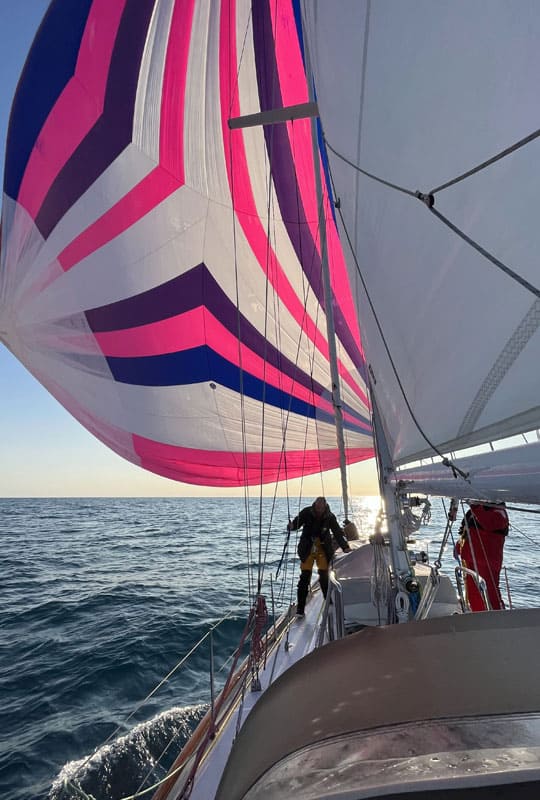
Hands On Coastal and Offshore Sail Training Expeditions
For each expedition, we take up to five motivated and adventurous students aboard for a rigorous liveaboard sailing course. Our expeditions are designed for sailors at any level, and offer real-world experience and personalized education. Our goal is to share the skills and techniques we’ve employed during our 25+ year sailing (and merchant marine) careers that will help you sail farther, safer, and with more competence. It’s sailing immersion, adventure, and a healthy dose of fun aboard our Robert Perry designed Norseman 447 Rocinante!
Our home base is Maine, and our normal cruising grounds are Maine, Nova Scotia and Newfoundland. In 2026 we ran expeditions cross the Atlantic to the Azores and on into The Med, with stops in Morocco, Spain, Italy and Greece. Our 2027 schedule will start in Greece and sail west out of The Med, to the Azores and north to England.
How to gain experience sailing, in the most efficient way possible
Our expeditions are focused on one thing – your education.
On a Morse Alpha expedition, not only will you learn the technical skills required to cruise safely and efficiently, but you’ll also experience how clear communication, humble leadership, and creating a culture of positive camaraderie, facilitates a safe, and joyful, sailing experience.
Our goal is that every crew member walks away with hardcore sailing, weather and navigation skills, real life leadership/communication skills, and a feeling that they all got there together. It’s hands-on training 24/7, and you will learn to run all aspects of the boat.
Because we want to keep the training effective and personalized, we only take 5 motivated students. Each expedition has two USCG licensed instructors aboard, so the student/teacher ratio is excellent.
Morse Alpha is real world, hands-on, coastal and offshore sailing experience along with focused education that will help you become more knowledgable, confident and competent.
If you are on the ASA track, we offer American Sailing 103 & 104 on select expeditions. These are optional. You do not have to have any certifications to join one of our expeditions. We added these certifications as a service to students who request it. This affiliation does not affect our overall mission, expedition objectives, or the quality reputation our program has gained over the past decade. Our courses will continue to cover material found in the ASA 101, 103, 104, 105, 106, and 108 curriculums.

What to expect
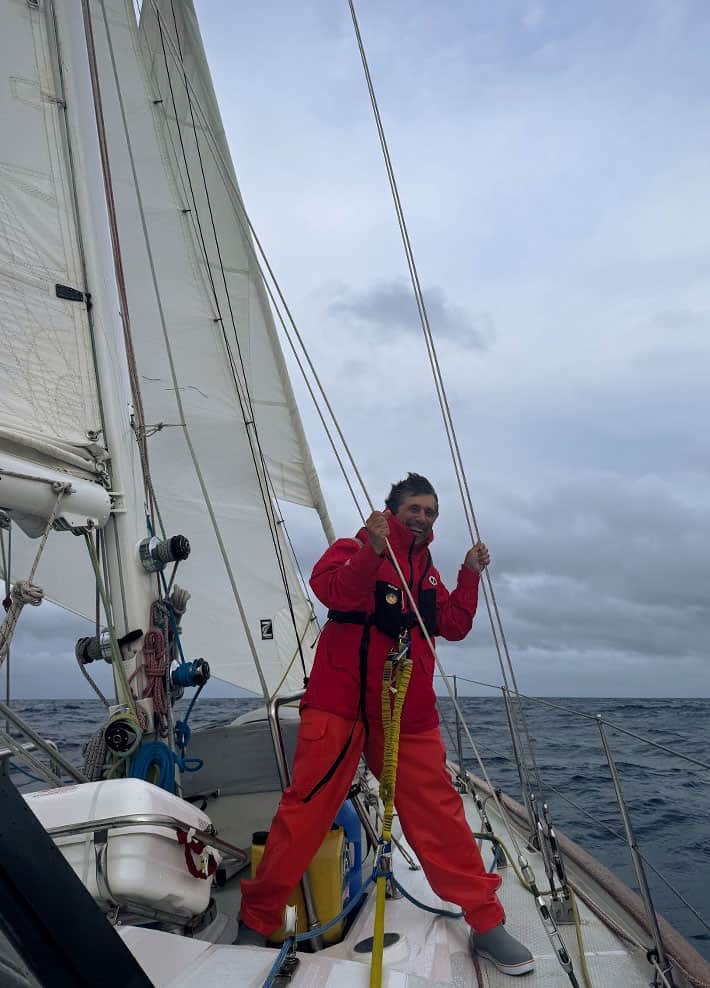
Each crew member is expected to take part in all the daily responsibilities aboard including steering, navigating, standing watch, cooking, cleaning, and anchoring, etc. You will essentially be running the boat, as a team. Despite busy days of lessons, practical skills training, and drills, we often find time for a dip in the water at anchor, or a hike to stretch our legs when making landfall. Passage expedition schedules are driven by weather. Despite our best efforts, we have not been able to control the weather. Expect to be flexible.
Seeking learning opportunities
Often, sailors stay in the harbor when the weather is tough. We do not shy away from rain, wind, night travel, or fog — those are the ideal education opportunities. If dangerous weather is approaching, such as a hurricane or a squall, we will seek a secure anchorage (or dock) — which will give you the opportunity to stand anchor watch in a crazy storm. But don’t let that discourage you either. Mid and higher latitude weather is so varied that we expect each course to be a mix of fair sunny days, fog, rain, strong wind, and light air. We take what we get for weather and conditions, and make the best educational experience from it that we can.
All levels welcome
Our courses are ideal for people of all levels who want to prepare for anything from liveaboard weekend trips to bareboat chartering to long term offshore cruising. Every one of our expeditions is a challenging program no matter what route. Remember the coast is where all the action is: heavy commercial traffic, shifty winds, rocks and shoals, tides and currents. Our Maine expeditions were chosen because they are some of the most difficult areas to sail in the US, and on days when the weather doesn’t challenge you, we will “stir the pot” with a few drills and scenarios. Our international expeditions are perfect introductions to what passagemaking is truly like, where the lessons are more in the moment, but the educational moments are constant.
Some of the topics we'll cover
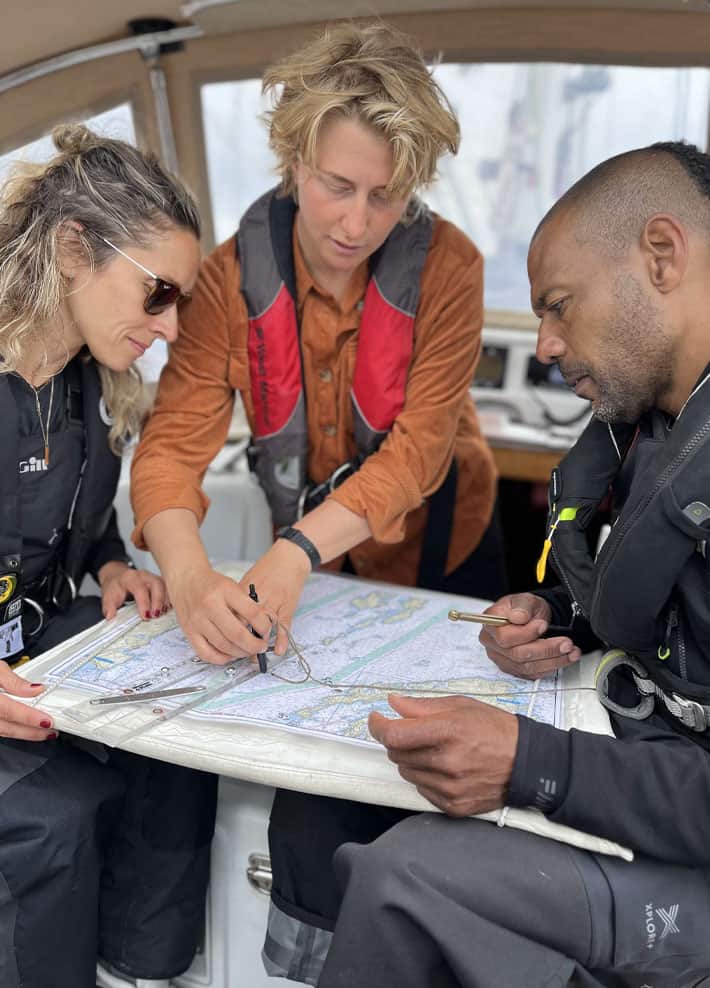
Traditional & Electronic Navigation (including Orca, Navionics, Savvy Navvy)
Sail Plan Strategies; Why, When, How
Dinghy use; outboards, rowing, launching, lashing, towing
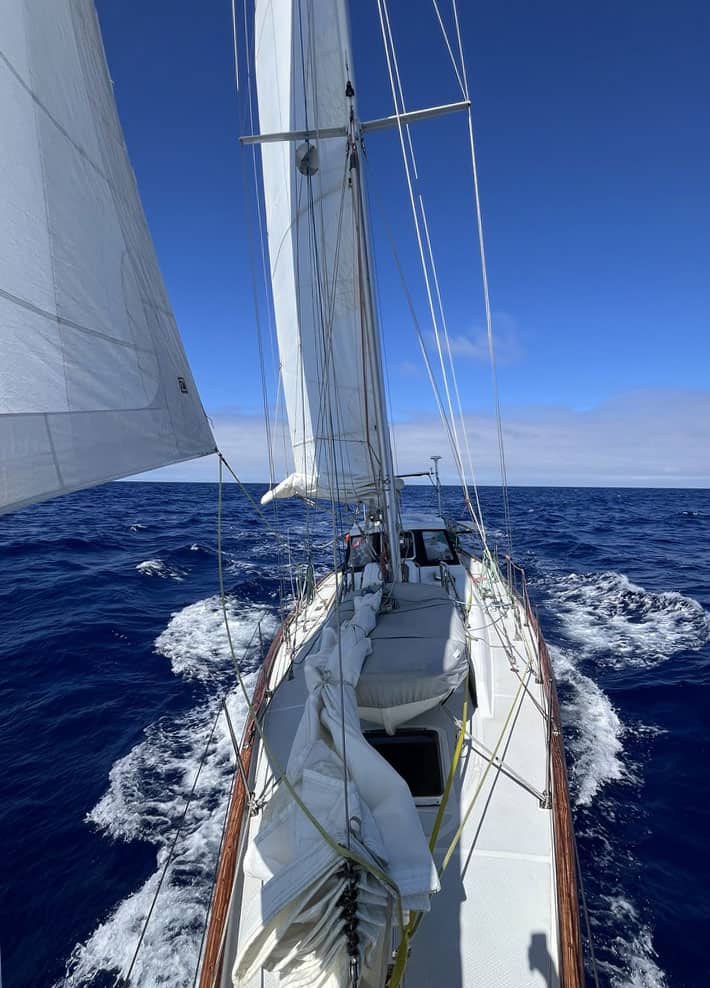
Sail Trim; basic and advanced trim for all points of sail and wind speeds; traveller and car adjustments; sail shapes
Safety strategies (COB, fire, abandon ship); emergency planning
Passage planning; making smarter choices
Leadership and Crew Management
Spinnaker and Pole Technique, including wing-on-wing, foreguy/afterguy, topping lift
Self-Steering with both Hydrovane and Autopilot
Anchoring: choosing an anchorage, setting the anchor, using a windlass, multiple anchors, anchor communication
Limited Visibility, Fog & Night Sailing; Techniques and Protocols
Heavy Weather Techniques; sail plans, steering, wave management, crew management, drogues
Rules of the Road; understanding and interpreting COLREGS
VHF Communication Protocols and Practice
Weather forecasts, models, interpretation, observations; reading the clouds
Tides & Currents; using available resources for planning transits, anchorages, etc.
Engine inspections & Systems checks
Docking procedures and boat handling techniques; standing turn, prop walk and wash
Radar: Navigation and collision avoidance
The 7 Essential Knots
Line Handling; coiling, stowing, throwing, faking, winch safety